Arabica and Robusta are the two coffee species behind nearly every cup in the world. Here's how they differ in taste, caffeine, growing conditions and how they're used in espresso.
However, for the more discerning coffee aficionado, the key to quality coffee is much deeper than Starbucks’ latest dessert creation and the punch it packs. It comes down to where the bean is from, the amount of caffeine AND the flavor profile. In short: Arabica vs. Robusta coffee beans and the differences between them.
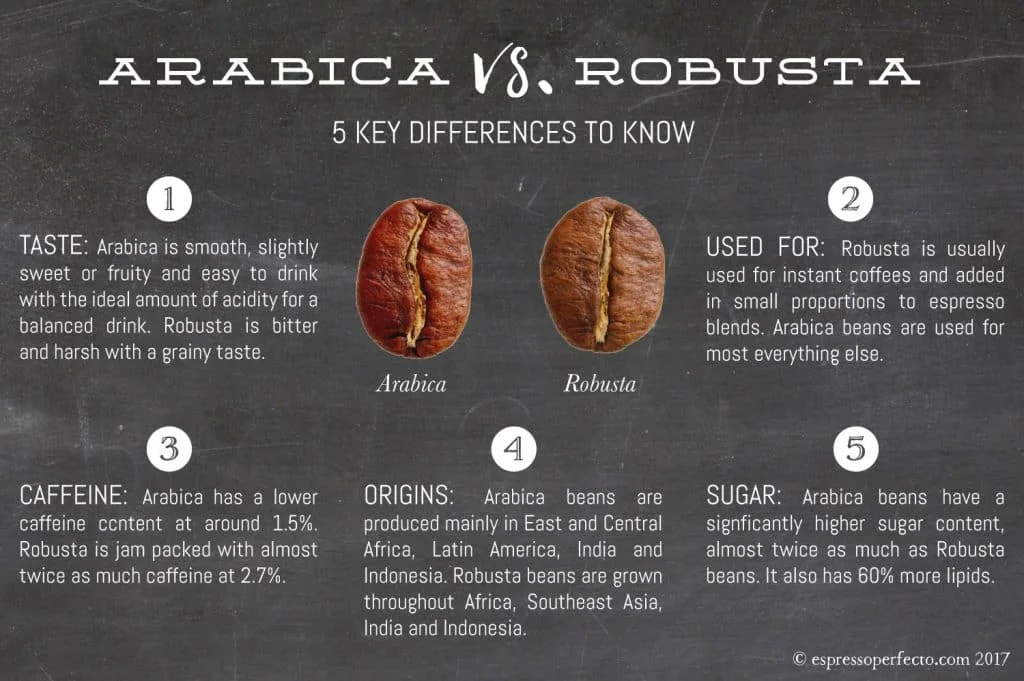
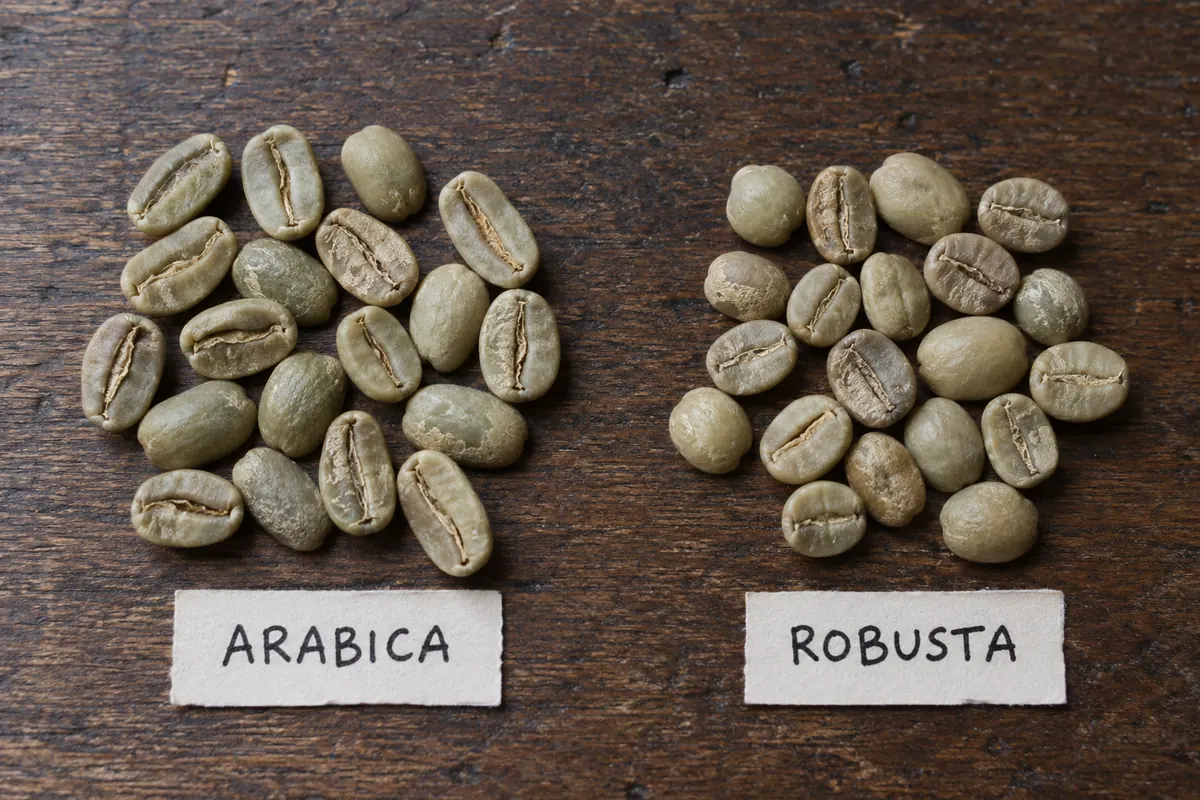
The two main types of coffee bean come from different plant varietals, and produce two distinct end-products. The amount of caffeine in each is a huge distinguishing factor, as is the smoothness and flavor of the drink.
We will dive into and explore the differences between them and which variety is best suited for the type of coffee drink you want to enjoy.
ARABICA
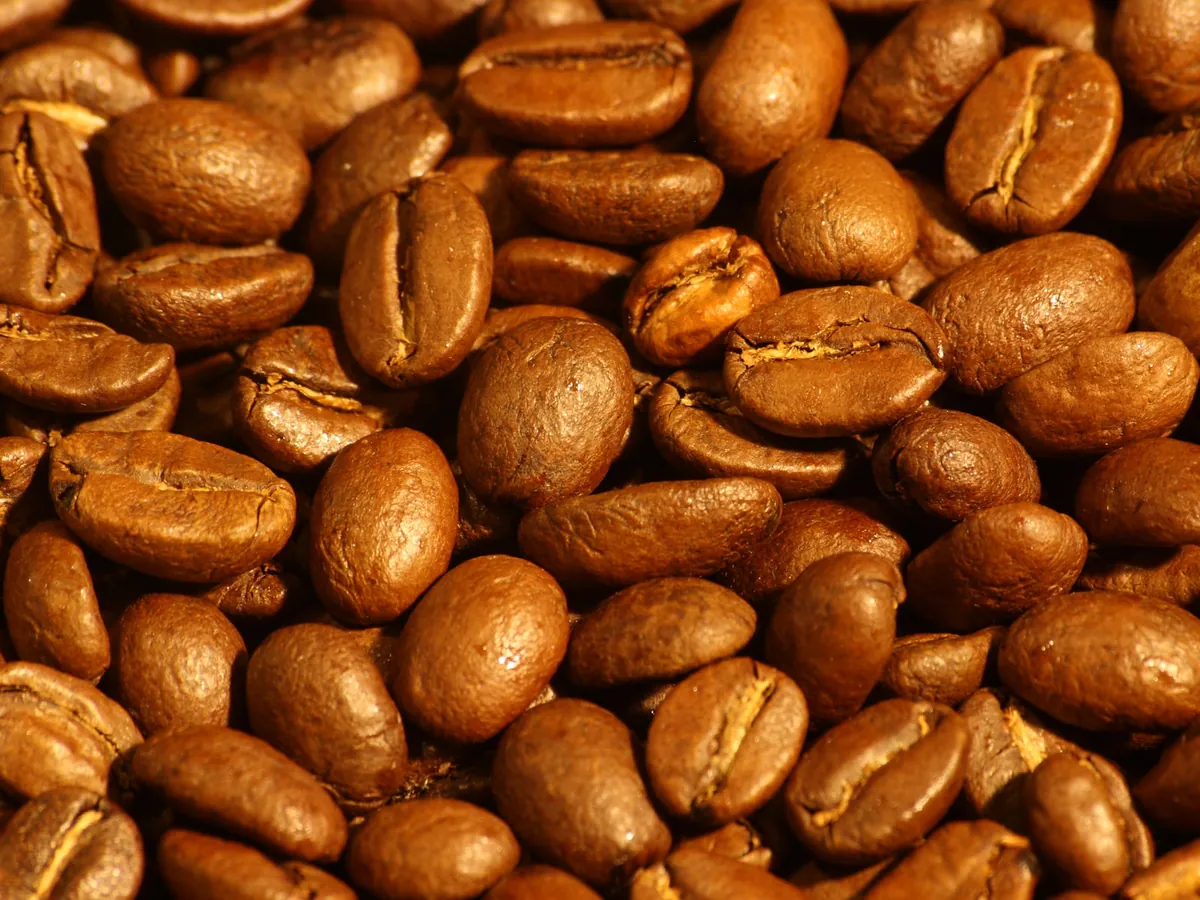
Arabica is generally known as the “high quality” bean for its smooth taste and lack of bitterness that can plague Robusta beans.
Almost all of today’s high-end blends are 100% Arabica, with producers proudly highlighting this quality. You may have noticed your fave craft coffee roaster does the same.
That's not to discount Robusta, which accounts for roughly 40% of global coffee production. Still, specialty roasters and critics generally prefer Arabica for its sweetness and complexity.
Caffeine
Although it is massively popular, Arabica does fall short when compared with Robusta in one category: caffeine content.
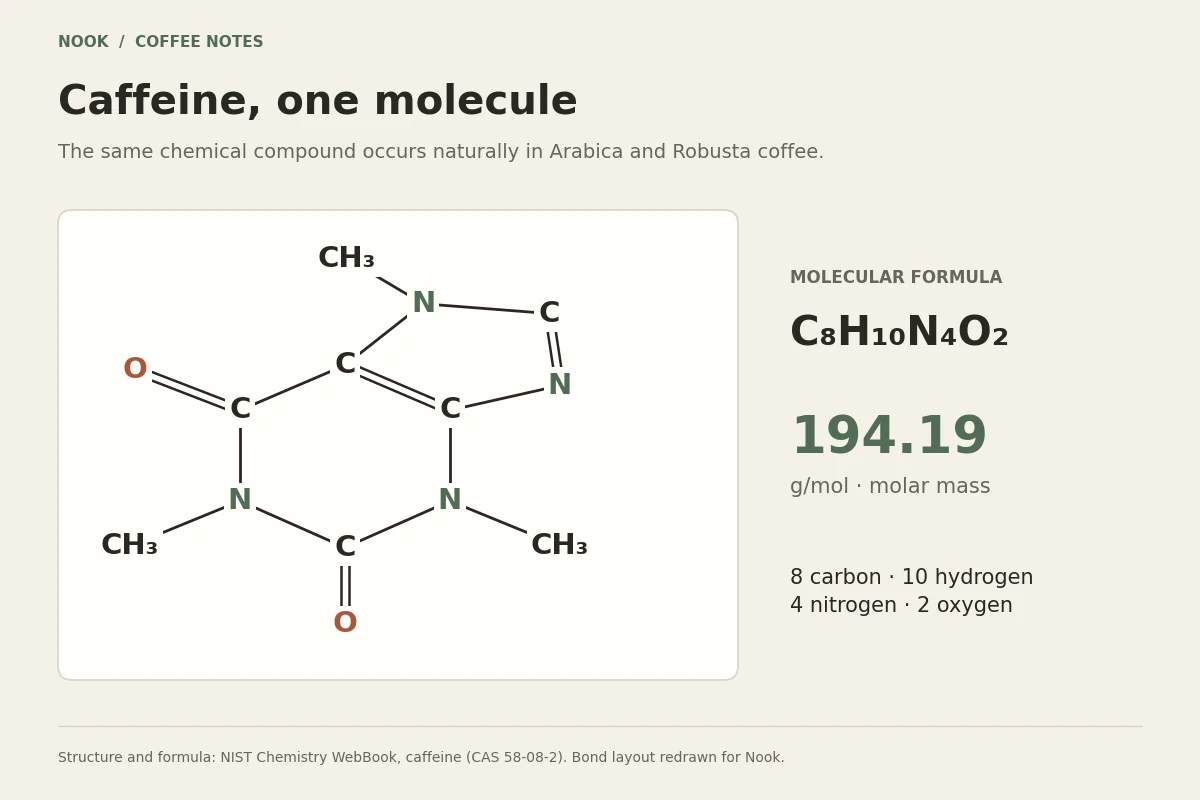
Arabica beans actually have a lower caffeine content than their less smooth counterpart. Surprising, right?
The difference between Arabica and Robusta when it comes to caffeine is in the associated compounds that come with extraction. The Arabica plant is fine and subtle, meant for careful cultivation and roasting and doesn’t pack the same punch. Caffeine, while a huge bonus on sleepy mornings, definitely comes with a more bitter, burnt taste.
So what else is different?
Origins + Growing Regions
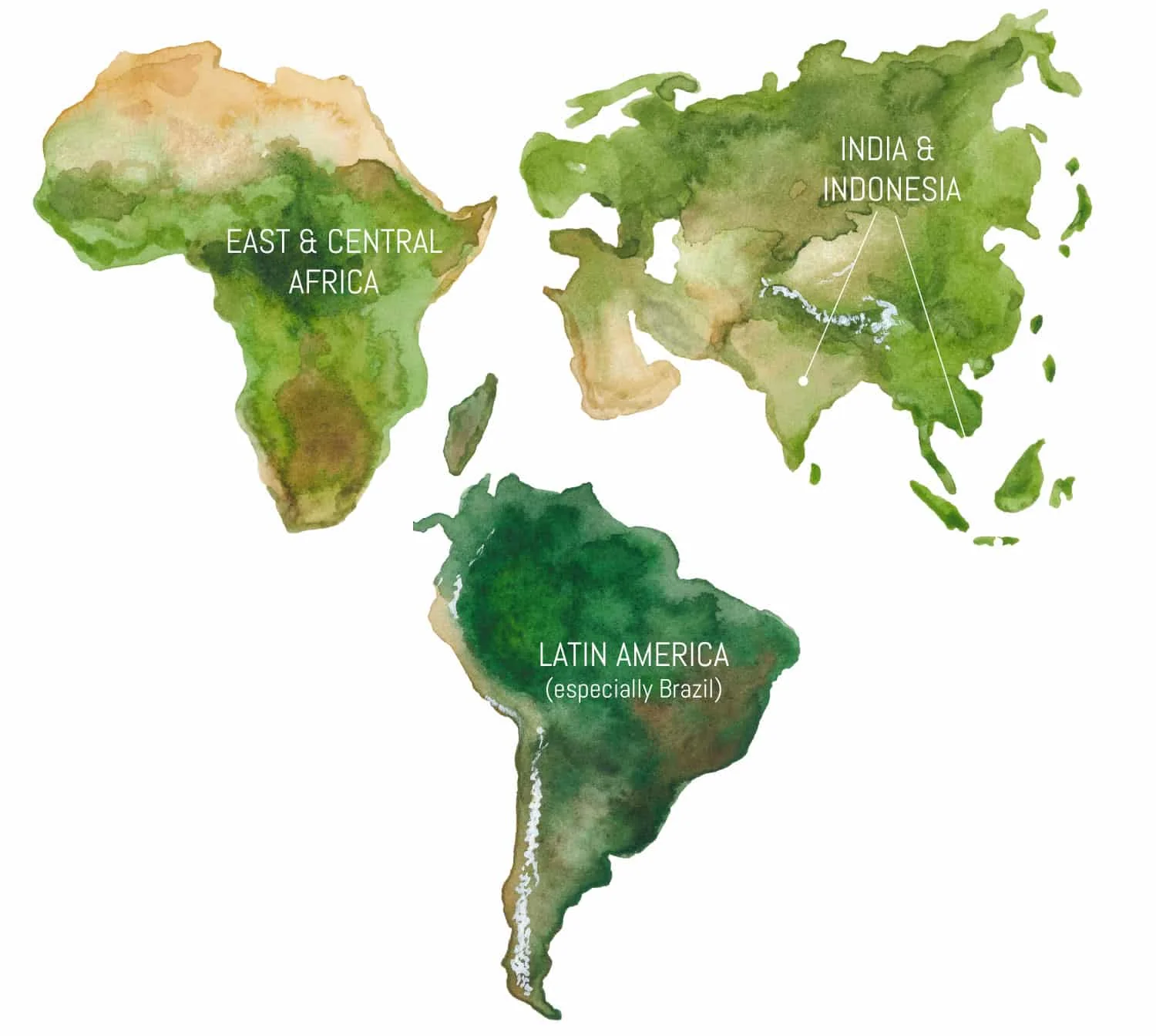
From a historical perspective, Arabica is considered to be the origin of coffee as we know it. It's native to the highlands of Ethiopia, and by the 15th century it was being cultivated and brewed in Yemen. Today it makes up roughly 60% of the world's coffee supply. While it was consumed in the region (and is rumored to have even directed the movements of the area’s inhabitants), large scale global production truly began in Indonesia in the 17th century.
That isn’t so surprising. Even popular chain coffee shops have maps of different Indonesian islands on the walls showing where their beans may have come from.
You’ve also likely heard people refer to coffee as “Java”. This actually stems from a variety attributed to the Indonesian island of Java. I visited there a few years ago and the coffee is exceptionally good. I even tried the infamous “cat poop coffee” that is passed through the digestive tract of the Asian palm civet (the luwak) before roasting!
Now, Arabica is cultivated all over, including locations as far apart as Brazil and Hawaii.
When it comes to horticultural perspective, Arabica is, well, not as robust. The plant grows between 2.5-4.5 meters high (8.2-14.7 ft), making it somewhat smaller than its competitor. Partially due to this nuance, Arabica produces less of a yield. However, the Arabica plant requires 1200-2200 mm, of rainfall a year, which is easier to accommodate in more regions of the world than Robusta’s need for 2200-3000 mm/yr. Growers need to consistently trim the plant, and make sure to limit berries, as they take away from the energy it takes to cultivate quality beans.
Due to the need for close attention and low yield, Arabica coffee carries a much higher production and consumer-end cost.
Single Origin vs. Blends
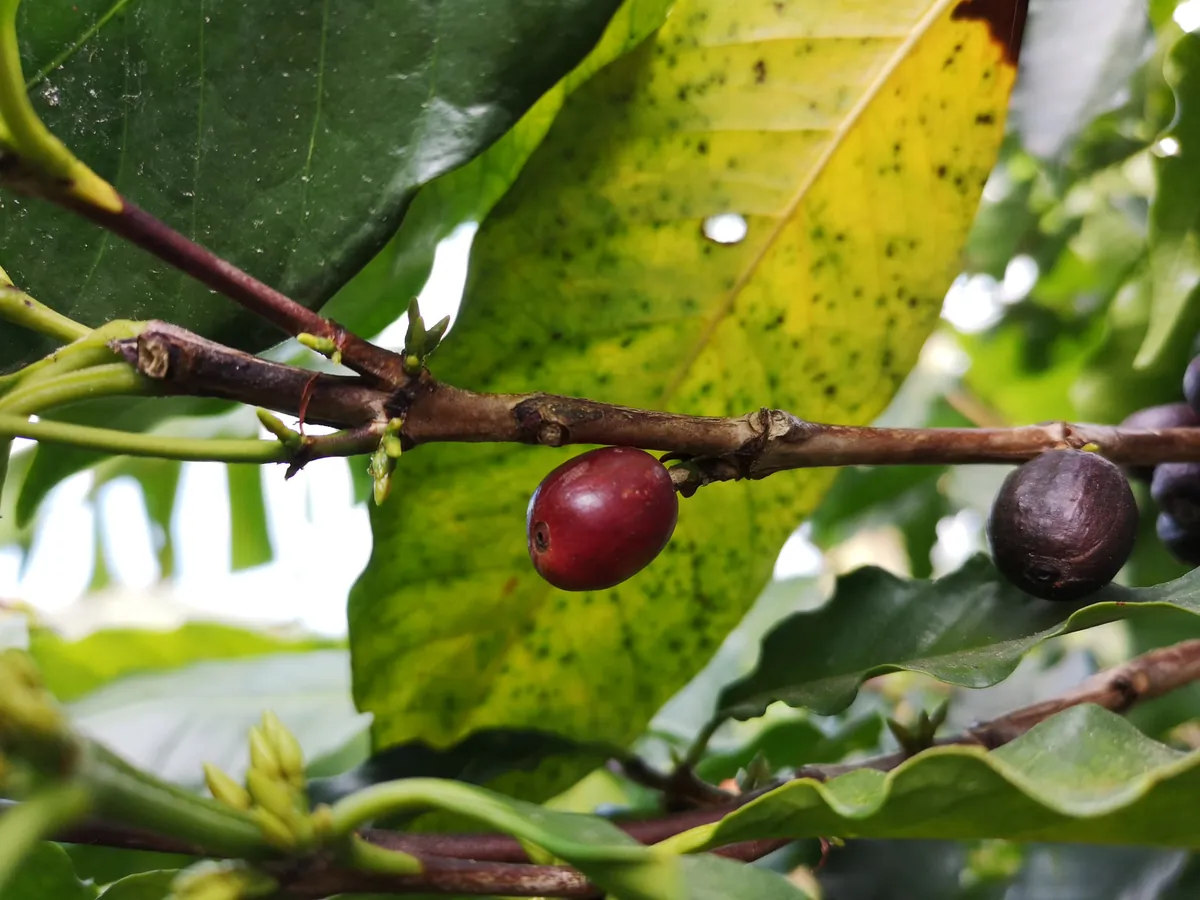
So should you always buy Arabica over Robusta? Not at all, they both have their place in the industry:
For pure drip coffee you’ll seek out single origin blends that are all Arabica. For espresso, you’ll often enjoy a blend that includes some Robusta beans for an extra caffeine boost and better extraction.
Favorite Beans
My favorite espresso blends that are widely available are Koffee Kult Dark Roast and Lavazza SuperCrema. You can read more about my thoughts on those in my bean article. Locally, I’m a big fan of Temple Coffee Roasters and just about anything from Equator.
ROBUSTA
While you may not be feeling all warm and fuzzy toward Robusta beans after reading about how great Arabica is, it does have an important place in the coffee world.
First, keep in mind that not all robusta beans are inferior. A higher quality Robusta bean will almost always taste better than a low-end Arabica. The care taken in cultivation and roasting really plays a role.
So what do we love about Robusta?
Health Benefits
Robusta contains more chlorogenic acids, a family of antioxidants, than Arabica. Antioxidants help counter oxidative stress in the body, but research hasn't shown that drinking Robusta specifically leads to better health outcomes, so treat this as a small bonus rather than a reason to switch.
Origins + Growing Regions
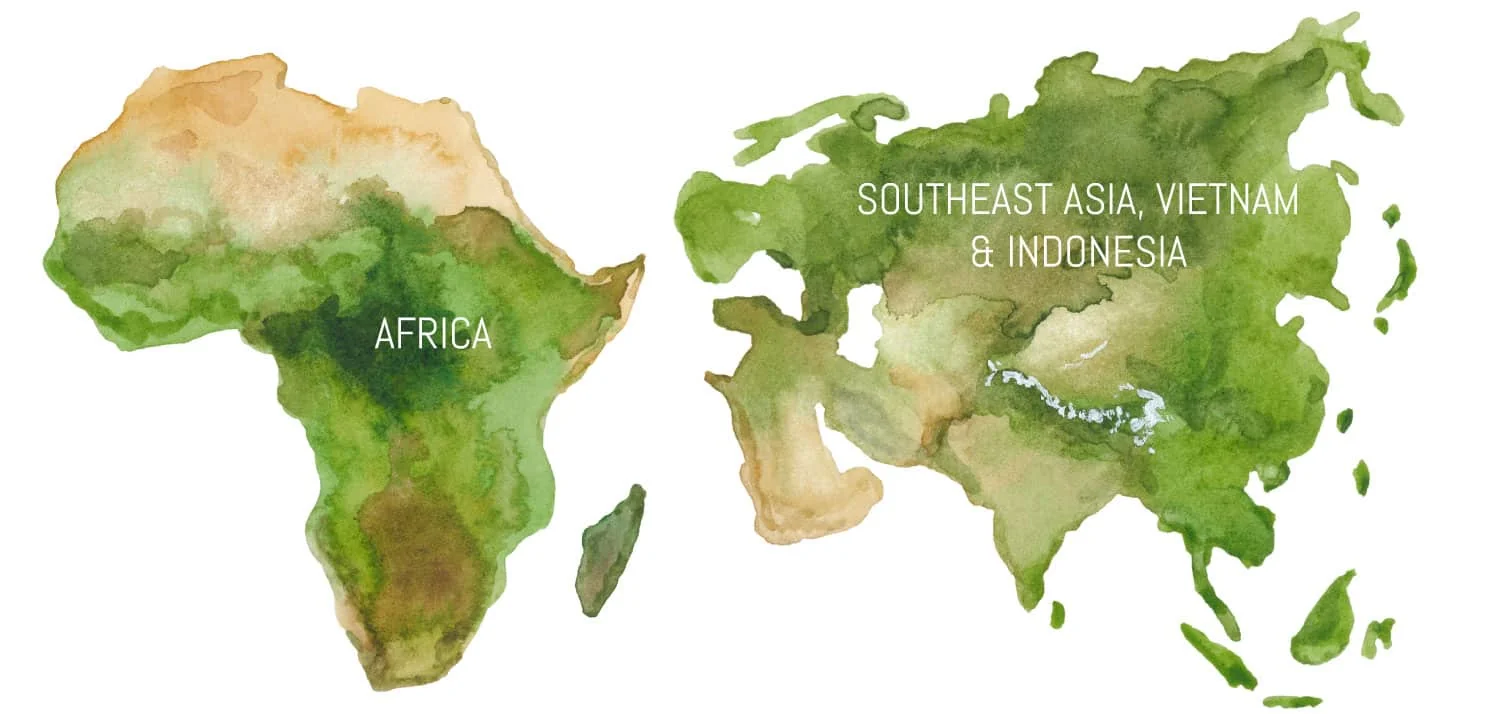
The majority of Robusta grows entirely in the Eastern hemisphere, primarily in Indonesia, Vietnam and Africa, where it is well suited to the climate. The tropical jungles of these regions are perfect for the taller plants, which require a higher temperature to produce their yield.
Robusta is easier to cultivate and grow and so it generally produces a higher yield than Arabica beans and is less costly as a result.
Caffeine
Robusta also offers about double the caffeine of its Arabica competitor. This is pretty important, especially for coffee drinkers who want maximum caffeine count, as well as espresso sippers.
Robusta plays an important role in espresso. Many traditional Italian espresso blends include a portion of Robusta, often 10–30%, for extra body, crema and caffeine, while most specialty espresso roasts are 100% Arabica.
There are two reasons for this:
The first is the intense flavor. Robusta is especially bitter and caffeine heavy, inspiring an interesting flavor profile when combined with the smoother, slightly more sugared Arabica beans.
Second, espresso is also known for the crema, the slight layer of honey colored cream on the top of the shot. Robusta is known to enhance the crema and create a thicker layer.
Favorite Beans
I’m not a frequent Robusta drinker, but I do have a couple that I think are worthy of your home espresso or coffee machine.
For a serious kick of caffeination, have you heard of Death Wish Coffee? They claim their dark roast is the strongest coffee in the world and even have a fun skull and crossbones warning label on their bags.
I don’t drink it regularly, but when I had a bag at home, I thought it was fairly smooth and produced a decent cup for being so Robusta heavy. It’s also fair trade and organic, which I really like to see when it comes to the beans I buy. I did notice a bit of an uptick in caffeine, but not enough for me to leave my favorite Arabica dominant blends behind.
I hope this article has given you a better understanding of what coffee experts are talking about when going on about the virtues of Arabica over Robusta and finding the perfect blend of coffee beans for a great tasting espresso.
Arabica vs. Robusta at a Glance
| Arabica | Robusta |
|---|
| Share of world production | About 60% | About 40% |
| Caffeine (by weight) | Roughly 1.2–1.5% | Roughly 2.2–2.7% |
| Flavor | Sweeter, more acidity and aroma | Stronger, more bitter, earthy |
| Growing altitude | Higher, often 600–2,000+ m | Lower, often below 800 m |
| Hardiness | More delicate, disease-prone | Hardier, higher yields |
| Price | Higher | Lower |
Related Reading

 Comparisons