 Brewing Guides
October 12, 2026 4 min
How to Make Great Espresso Every Time
Great espresso at home is all about the steps. Here's how to do it with an espresso machine or a moka pot.
Read article

A clean machine makes better espresso and lasts longer. Here's the daily, weekly and monthly routine.
No matter how expensive or state-of-the-art it is, your espresso machine’s length of service depends on how well you do upkeep and maintenance for it. It’s an appliance, not some artificial intelligence that can take care of itself. And we don’t mean just cleaning it well on your part. There’s more to it than this. If you have no idea of what else you could do, allow us to share with you everything we know of how to upkeep and maintain your espresso machine.
Let’s begin with the basics: scrubbing, rinsing, wiping, soaking, backflushing, descaling, and filtering the water you’d use. They aren’t as simple as you think.
“Old coffee oils are the fastest way to make great beans taste bitter.”
To properly scrub the group head, use some coffee detergent and a small scrubbing pad. A non-coffee detergent can leave residue that can affect the coffee’s taste. A small scrubbing pad enables you to clean even the nook and crannies, ensuring you’ll clean the group head completely.
To avoid unwittingly contaminating it, make sure you rinse your espresso machine with clean water, and wipe down each part with a separate towel. Not using just one towel to wipe down each part prevents cross contamination.
Loosening up dirt makes cleaning easy. To make sure of this, before scrubbing and wiping them down, soak the main parts (i.e., filter, basket, shower screen, and steam wand) in a solution of hot, clean water and some coffee detergent. Do this at least twice a week.
If your espresso machine has three-way valves, you should backflush. Backflushing is basically the process of using water to wash out the contaminants from the water lines and the brewing valves. Backflush daily with clean water and weekly with coffee detergent.
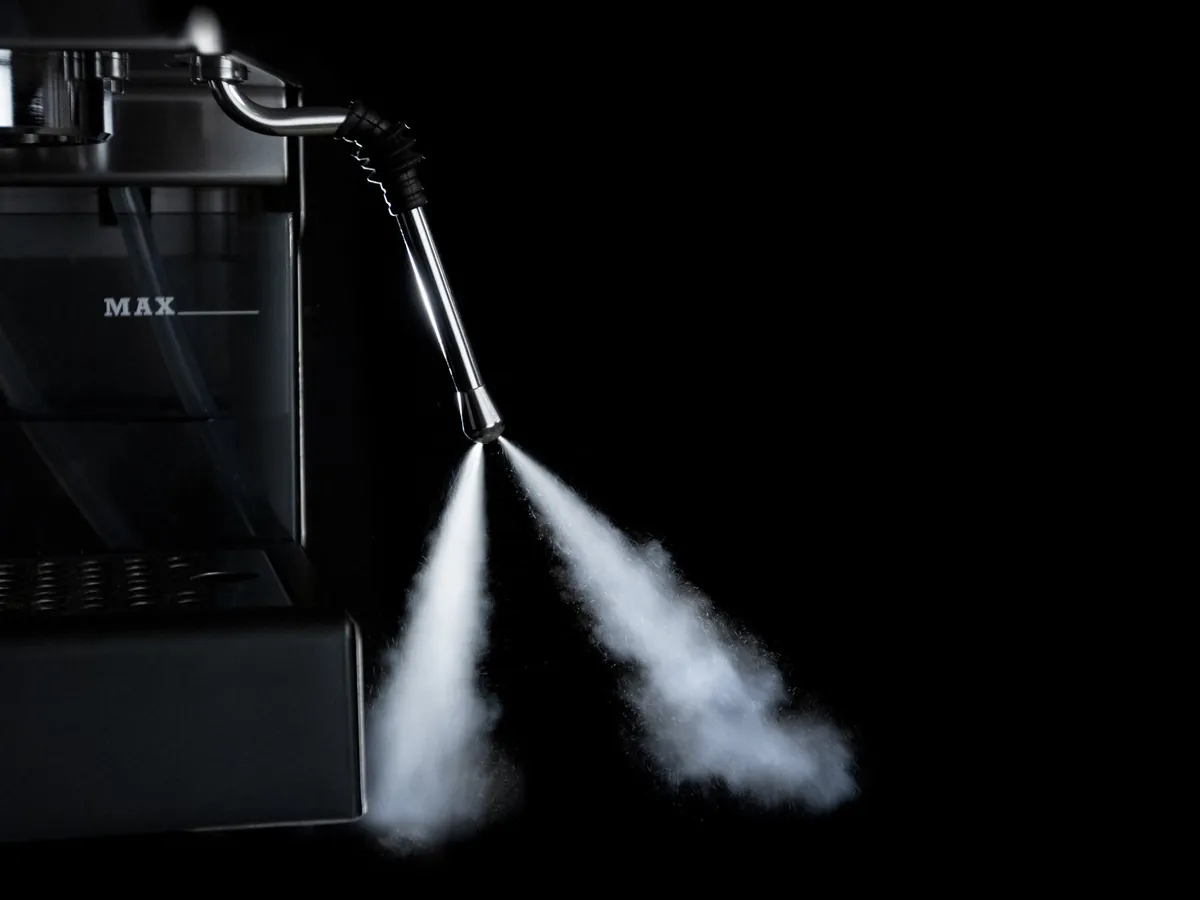
Descaling removes the mineral scale that hard water leaves inside the boiler, pipes and valves. Run a descaling solution through the machine every one to three months, or as often as your manufacturer recommends. Purging and wiping the steam wand after every use is just as important: milk left inside the wand can be drawn back into the boiler, where it spoils and is very hard to remove.
While it may sound fussy, using filtered water for brewing helps keep your espresso machine in good working condition. Espresso machine injectors are usually the same size as a pinhead. Since water carries microscopic minerals, buildup could occur in your espresso machine injector and put it out of commission. Filtered water carries less microscopic minerals than unfiltered water, so using the former for brewing has less chances of leading to an accident than using the latter.
Here are the rest of the things you should know about how to upkeep and maintain your espresso machine:
It would be virtually impossible to prepare coffee as good as a barista without an espresso machine. If you want to continue enjoying great coffee made yourself right in the comfort of your own home, you should take good care of yours. Having shared to you all that we know of how to upkeep and maintain your espresso machine, we hope it can last for as long as possible.